


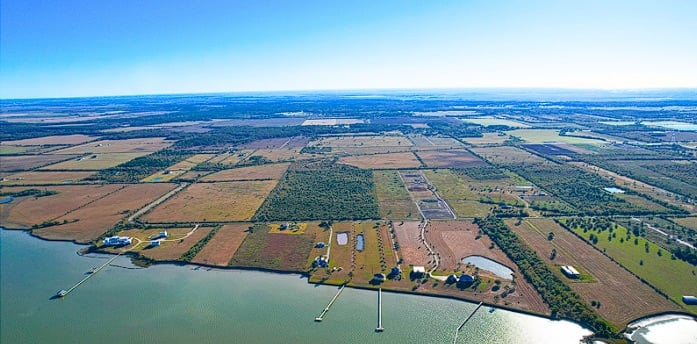
The appeal of Texas land is not just a trend—it is a deeply rooted part of the American dream. With a strong economy, favorable tax structure, and a wide range of terrain highlighted by current land valuation data, Texas continues to attract buyers from across the country.
If you are wondering why so many people are choosing to buy land here, the reasons are clear, practical, and backed by opportunity. Whether you are planning to build your dream home, start a farm, or are thinking about long-term investment, the Lone Star State offers unmatched potential for ownership and growth.
Here are some of the top reasons to buy land in Texas this year.
Why Buy Land in Texas?
Texas stands out as one of the most land-rich states in the country, offering thousands of acres across mountains, plains, forests, and coastline. This diversity creates real options for buyers, whether you want to farm, hunt, build, or simply enjoy open space. From the rolling hills of Central Texas to the wide-open ranges of the west, the state delivers land that serves a purpose.
Property Diversity
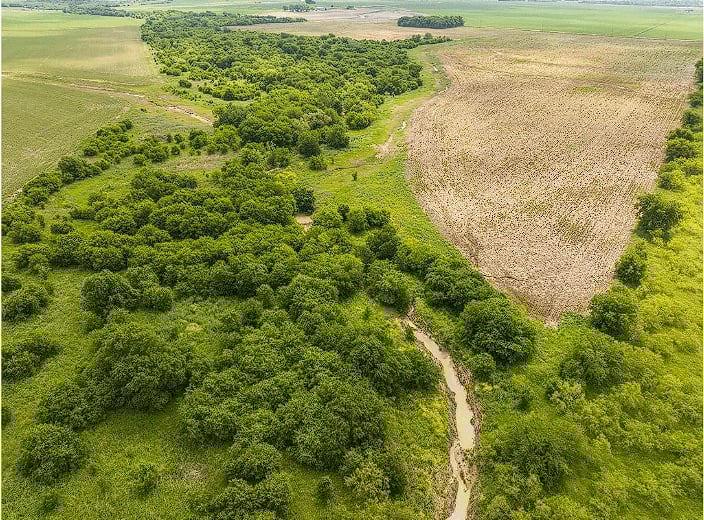
Texas covers over 268,000 square miles and touches multiple climate zones, ecosystems, and cultural regions. Landowners can choose from fertile farmland, elevated plateaus, piney woods, or arid ranchland. Proximity to major metro areas like Austin, San Antonio, and Dallas-Fort Worth means you can enjoy rural privacy while still being close to hospitals, grocery stores, shopping, schools, and jobs.
No State Income Tax & Low Property Taxes
Texas offers a significant financial advantage with no state income tax, allowing landowners to keep more of their hard-earned money. This benefit creates additional opportunities for buyers to invest in their property, whether by building a home, improving utilities, or upgrading fencing and driveways.
Property taxes in Texas also vary by location, with rural areas typically offering lower rates than urban or suburban regions. Many rural counties assess land at significantly reduced rates, especially for properties used for agricultural purposes. For instance, an agricultural valuation, often referred to as an “ag exemption,” can reduce the taxable value of land if it is actively used for livestock, crops, or timber production. Similarly, a wildlife management exemption allows landowners to qualify for lower taxes by supporting conservation efforts, such as managing habitats or protecting native species.
Economic Growth and Opportunity
Texas offers landowners unique opportunities to benefit from its thriving industries and expanding infrastructure. The state’s labor market continues to hit record highs in both total jobs and the size of the civilian labor force, and its gross domestic product has the economy valued at over $2 trillion. Texas also consistently ranks as a top choice for corporate relocations and job creation for sectors like manufacturing, trade, transportation, and more.
Land Availability
Texas is the largest state in the continental United States (coming second only to Alaska in the entire US) at a little over 171 million acres of land. Land availability means there is something for every buyer, whether you are looking for a small ranchette, a larger tract for livestock, or a recreational property for hunting and fishing.
Land buyers can find everything from wide-open pastures to wooded lots, making it one of the most diverse and expansive states for land ownership. Texas continues to provide options for those seeking space to build, farm, or simply enjoy the freedom of owning land.
Agriculture Opportunities
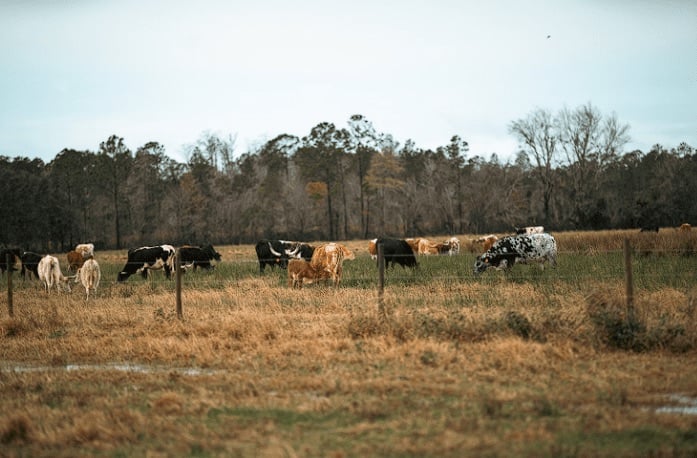
Texas is one of the largest farm states in the country and leads the nation in cotton production, horses, hay, sheep, and goats. The state’s climate supports year-round growing seasons in many regions, and landowners can participate in everything from small-scale homesteading to full-scale farming operations. With proper setup, your land can produce income, food, or both.
Privacy
Texas land offers the kind of privacy you cannot find in a subdivision or city lot. With wide buffers between homes and fewer zoning restrictions outside city limits, property owners can enjoy solitude, peace, and space to live without interference. This is ideal for those seeking a self-sufficient lifestyle or a quiet escape.
Investment Opportunities
Texas land has a proven track record of appreciation, especially near growing metro areas or transportation corridors. Buying land can be a smart hedge against inflation, with the potential for long-term growth or development. If you are not looking to use the land yourself, you can rent out land for hunting, farming, or even event hosting.
Culture and Community

Texas people take pride in their state and community. Owning land here means participating in a culture that respects property rights, supports agriculture, and encourages entrepreneurship. You are not just buying dirt—you are becoming part of a tradition that celebrates ownership and legacy.
Communities in Texas often revolve around strong bonds built on mutual support and shared traditions. For instance, rural and urban areas frequently host events like the Poteet Strawberry Festival and the Houston Livestock Show and Rodeos, which serve as opportunities for everyone to gather, celebrate, and collaborate.
Many landowners also participate in organizations like 4-H or Future Farmers of America, which promote agricultural education and community involvement. These activities foster a culture where people look out for one another and build lasting relationships.
What To Consider Before Buying Land in Texas
Purchasing land in Texas is an exciting opportunity, but it requires careful thought to ensure the property meets your goals and expectations. From choosing the right location to understanding taxes and mineral rights, multiple factors can influence the buying process.
Location
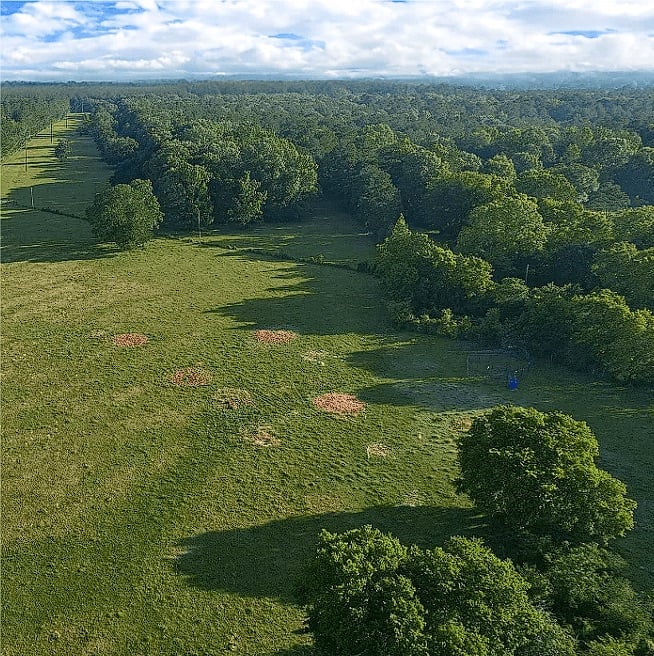
Choosing where to buy land in Texas comes down to your priorities. Proximity to cities like Dallas, Austin, or Houston offers access to amenities, jobs, and infrastructure, though prices near urban areas often reflect higher demand. Rural properties in regions like South Texas or Hill Country typically offer larger tracts at a lower cost, with the added benefits of privacy and open space.
Consider how close you want to be to schools, hospitals, or grocery stores if you plan to live on the land full-time. Access to outdoor activities, scenic views, or wildlife may take precedence over convenience to urban amenities if the property will be a weekend retreat or for recreational purposes.
Or, look for a sweet spot in cities like Dayton, Anahuac, and Poteet. These cities are within close proximity to major towns like San Antonio and Houston, which offer the freedom and peace that rural life has to offer, while still being able to enjoy urban amenities whenever you want.
Zoning Laws and Regulations
Understanding zoning laws and regulations is a must before purchasing land. Local regulations dictate whether a property can be used for residential, agricultural, or commercial purposes, and some areas may impose restrictions on the number of structures or types of activities allowed. For properties in unincorporated areas, zoning may be more flexible, though counties often set guidelines for septic systems, fencing, or road access.
Contact your local zoning office to verify what is permissible on the property. Investigate whether you need permits for planned improvements like drilling a well, installing utilities, or building a home. Properties located in floodplains or environmentally sensitive areas may have additional regulations to consider.
You can also consult with the real estate team if you are unsure about zoning laws and regulations. Liberation Ranches is always a phone call away! Our land team stays by your side throughout the entire process from start to finish.
Use of the Land & Land Infrastructure
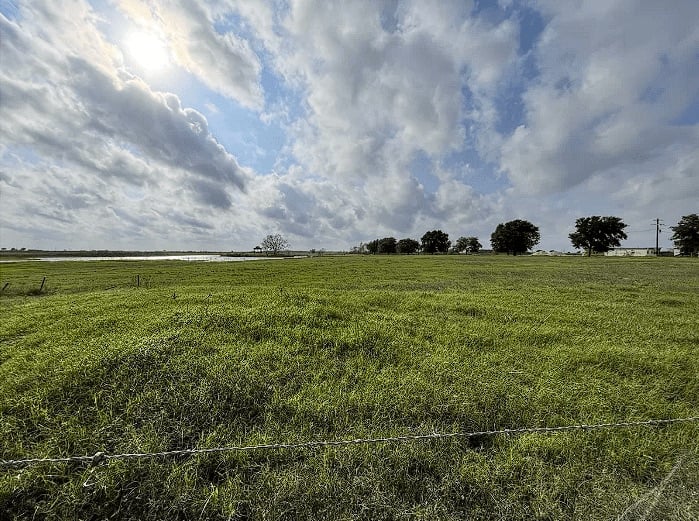
The intended use of the land should guide every decision during the buying process. For instance, buyers interested in farming will need to assess soil quality, water availability, and existing fencing. Recreational land buyers should confirm whether the property has suitable terrain for hunting, fishing, or camping. Those looking to build ranchettes will want to prioritize infrastructure such as driveways, electricity, and cleared spaces.
Infrastructure makes a significant difference in the usability of land. Check whether the property has access to utilities like electricity or water lines. If not, costs for installing a well, septic system, or power lines will need to be factored into your budget. Additionally, ensure that roads leading to the property are accessible year-round, especially if the land is located in a remote area.
For example, Liberation Ranches’ land offers options for wells, basic utilities, fencing, driveways, and more for your perfect weekend retreat.
Loan and Financing Options
Financing land differs from purchasing a home. Here are some popular options for land financing in Texas:
Owner Financing
Owner financing offers a more flexible alternative, allowing buyers to work directly with sellers to establish payment terms. These options come with multiple benefits such as:
- Faster closing
- Flexibility with down payments
- No bank or hidden fees
- Faster loans
Buyers can skip the trip to the bank and begin the closing process on their land with extra paperwork or confusion. Liberation Ranches offers owner financing to all their clients and continuously provides support throughout the entire process to ensure a smooth transaction.
Traditional Bank Loans
Traditional bank loans also require buyers to have a good credit score and a down payment. Securing a bank loan can also be competitive due to interest rates and requires an extensive amount of paperwork. Banks may want to see tax returns, proof of income, intended use of the land, and more before approving a buyer for a loan. Some banks may not offer loans for raw land at all unless the buyer has immediate plans for development.
Specialized Land Loan Lenders
Specialized land loan lenders focus on land purchasing and are more flexible than traditional bank loans. This type of loan may require a larger down payment for rural and raw land instead of improved land with amenities, infrastructure, or utilities.
Contact our team to learn more about how we can help you buy land in Texas.
Taxes on the Land
Texas land taxes can vary significantly depending on location, property value, and usage. For those purchasing land in rural areas, agricultural exemptions can substantially lower taxable land value. New agricultural exemptions applications must be filed whenever there is a change in ownership available for wildlife, livestock, and bees. It is also important to note that Ag exemption requirements may differ depending on the county you live in or plan to move to.
Buyers could also consider homestead exemptions if they plan to live on the property. These exemptions reduce taxes on the portion of land used as a primary residence. Contact the local appraisal district to confirm current tax rates and determine whether the land qualifies for exemptions. If an exemption is removed, rollback taxes may apply and increase costs unexpectedly.
Mineral Rights
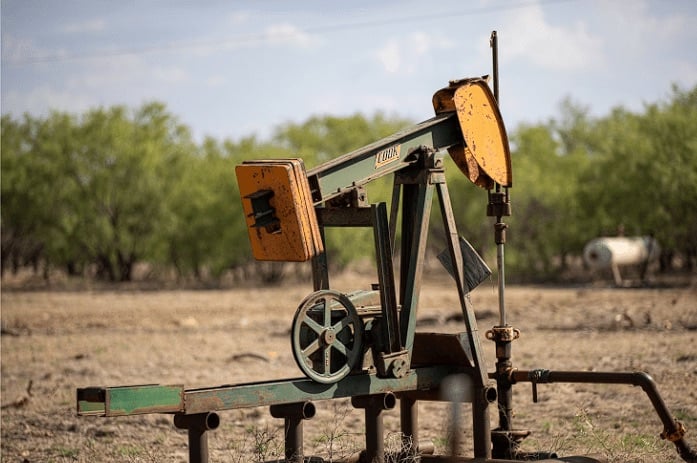
Mineral rights ownership is an important consideration when buying land in Texas. Retaining mineral rights adds long-term value and control over what happens on and beneath your land, so it is worth clarifying all details before closing the purchase.
There are two types of mineral rights, severed and executive. Severed rights allow ownership of surface and mineral rights of land owned by an individual or entity. This gives the mineral owner the right to extract and profit from minerals found beneath the land, while the surface owner controls and owns land above the surface.
Executive rights focus on the right to negotiate and complete leases for extracting and producing minerals. The executive rights owners have complete authority to lease the mineral rights to companies and mineral developers.
Request a title search to confirm who owns the mineral rights. If the seller retains them or they were sold in the past, ensure you understand how that could affect your ownership.
Buy The Best Land in Texas With Liberation Ranches
Purchasing land in Texas is a significant milestone, and having the right support can make the process seamless and enjoyable. Liberation Ranches has a team of land experts that eat, breathe, and live the Texas lifestyle. Our mission is to help make the rural land purchase process less intimidating and help landowners make their dreams come true.
The team ensures every step is straightforward, offering clarity and guidance without unnecessary complications or high-pressure sales tactics. Since all properties are owned directly, buyers work with a seller who is fully invested in finding the right fit for their needs. Clear communication and personalized service remain a priority from the first inquiry to closing day.
For those seeking ranchettes or larger acreage in Texas, the available properties are carefully selected and often include practical improvements like gated entrances, barbed-wire fencing, gravel driveways, and access to utilities such as water and electricity. Flexible owner financing is available for every property, making land ownership accessible to more buyers. Whether purchasing land for the first time or adding to an existing portfolio, buyers receive step-by-step support.
You are one step closer to making your dream a reality and enjoying all that Texas has to offer. For additional assistance, contact the Liberation Ranches team directly to speak with a knowledgeable land expert!
FAQs on Buying Land in Texas
Is It a Good Idea to Buy Land in Texas?
Absolutely! Texas offers a wide range of benefits for landowners, from its strong economy to its favorable tax policies. The state’s growing population and demand for land contribute to its long-term investment potential. Additionally, land in Texas provides unique opportunities for recreation, agriculture, and privacy. Buyers can use their property for ranchettes, weekend retreats, farming, or simply as an investment. The flexibility and value of Texas land make it an excellent choice for ownership.
How Much Is One Acre of Land Worth in Texas?
The price of an acre of land in Texas depends on location, infrastructure, and the region’s demand. In rural parts of Texas, an acre of land can range between $2,500 and $3,000, compared to buying land in cities like Dallas or Houston. Improved land in rural cities with utilities like electricity, driveways, or water connections typically costs more but offers immediate usability.
An acre of land in urban and developed areas can significantly increase the price of an acre due to access to malls, hospitals, schools, entertainment, and a lack of land availability.
Do You Pay Taxes on Land You Own in Texas?
Yes, property taxes apply to most land in Texas, with exceptions for disabled veterans or their surviving spouses, the elderly, and other disabled citizens. Property taxes help fund facilities for public education, road maintenance, and more.
Land owned or purchased in rural areas typically has lower property taxes compared to owning land in major cities like Dallas or Houston. Many buyers qualify for wildlife or agriculture exemptions, which significantly reduce taxable land value when the property is used for farming, grazing, or conservation efforts.
Why Is Texas Land So Cheap?
Land in Texas remains affordable compared to other states due to its vast size and high availability, especially in rural areas. Texas also has a lower cost of living than other states like California, Florida, or New York.
For people looking to start a farm or build their own dream home, Texas is a financially wise option with beautiful, farm-friendly climates and more!
Check out this article next
![How To Start A Farm in Texas: The Complete Guide [2025]](https://assets.agentfire3.com/uploads/sites/2489/2026/02/Screenshot-2025-04-09-205748-How-To-Start-A-Farm-in-Texas-The-Complete-Guide-2025-500x500.jpeg)